Posts

Showing posts with the label shrink film

Polyolefin Shrink Films

Image
Polyolefin shrink film is an excellent packaging solution for protecting goods, such as pharmaceuticals, food, and electronics. It possesses fantastic benefits to protect what you are selling or transporting. Its high transparency gives both full exposure and protection, ensuring your items look appealing to the customer, whilst also improving the security, reducing the risk of any tampering. Shrink film is adaptable; it can be made using PVC, Polyethylene, or Polyolefin. Each type holds certain advantages, depending on your business and product.   We will explore the advantages of polyolefin shrink film, and how it can work for you. What is polyolefin shrink film made from? Polyolefin shrink film (POF) , also referred to as polyolefin shrink wrap, is usually made of thermoplastic polymers, known as Polyolefins. It is great for consumer-based products as it is visible, low-cost, and versatile and is popular within the food industry as it is food-safe. This glossy, versatile, ...
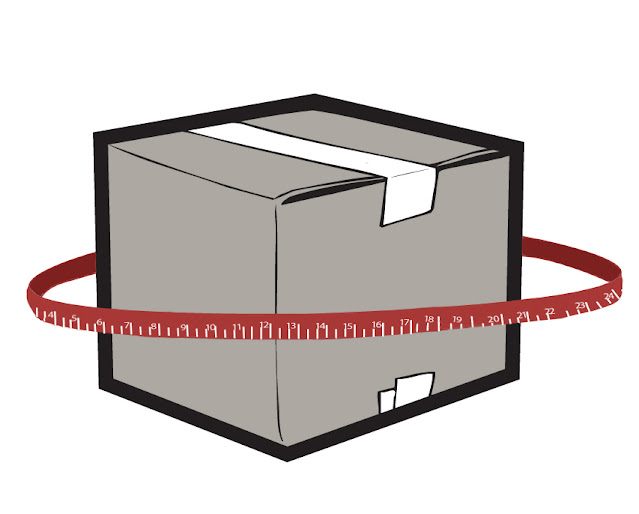
How to Measure Shrink Film for your Product.

Image
Using a generous amount of shrink film might seem harmless or even the right thing to do. Better to overestimate, than underestimate when it comes to sizing, right? Wrong! Over time, you may experience shrinking profits as your materials costs increase. In fact, it is better to simply get it right the first time. Nailing down your shrink film measurements is easier than you might think. Finding the proper film width and length will depend on what type of film you are using. You will need to know a few facts and measurements before calculating your shrink film dimensions. In this article, all measurements are in inches. Orientation / flow through shrink tunnel (This will inform which side is your product length vs your width). Type of machine (this will dictate what type of film you need). Production / Conveyor Speed. Product dimensions (always round up to the nearest inch). Width: parallel to the cut-off or cross seal. Length: parallel to the fold of the film, in cases of...

What is Cross Linked Shrink Film?

Image
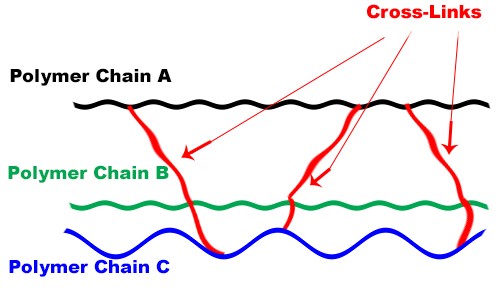
What is Cross Linked Shrink Film? Cross linking polymers was discovered when inventors were searching to find a way to stabilize rubber in the mid 1800's.  Charles Goodyear discovered vulcanized rubber  after years of research. The main objective was to stabilize natural rubber from distorting in heat. The result was Goodyear accidentally melted rubber and sulfur on a hot stove. The combination of the two allowed the rubber to withstand higher heats. Unknown to Goodyear at the time, the heated sulfur and rubber changed the polymer chains within the rubber. The changed polymer chains were cross linked to form a stronger, more durable material. Since the invention of vulcanization, the advancements in cross linking have changed tremendously. Cross linking can be achieved with a variety of chemical additives referred to a chemical cross linking or with irradiation. The most common form of cross linking used for flexible packaging materials is irradiated cro...