Posts

Showing posts with the label centerfolded shrink film

Guide to Polythene and Shrink Film

Image
In the world of packaging, versatility and durability are key factors.  Polythene and shrink film have become indispensable materials for packaging companies in both retail and industrial sectors. Understanding these materials is crucial for businesses seeking cost-effective, and robust packaging solutions. Here we will dive into the world of polythene packaging and shrink film , exploring their uses, benefits, and what makes shrink film a valuable choice. Polythene plastic is the most widely used plastic in the world. It is part of the polyolefin family of plastic resins. It is made primarily from ethylene, a type of hydrocarbon. It comes in various forms, including low-density polythene (LDPE), high-density polythene (HDPE), and low-density polythene (LLDPE), each offering unique characteristics suitable for different applications. You will find low density polyethylene (LDPE) is commonly found in many packaging products, such as carrier bags and stretch film, as well as bu...
Benefits of LDPE Shrink Wrap for Packaging

Image
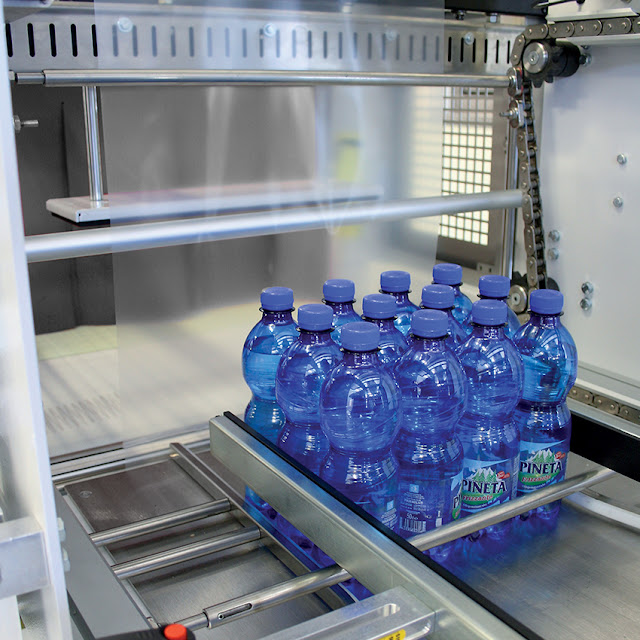
Innovations in plastic continue to improve the way we live.  It has also had a profound impact on the packaging industry.  Low-density polyethylene (LDPE) is one of the most widely used plastics today for shrink bundling. It is produced by the polymerization of ethylene in high-pressure reactors. The resin can subsequently be blown, slit, and wound to create film rolls, which are increasingly used by product manufacturers for a variety of packaging purposes. In shrink bundling, LDPE’s strong, flexible properties make it vital to the protection, unitizing and distribution of packaged goods. The Benefits of LDPE Film for Packaging.   Working with film can provide some wide-reaching benefits across efficiency, finances, waste production and other aspects of operation. It is an excellent material for many applications thanks to its physical properties for the packaging process and how it affects the appearance and usability of the end product. Below are some of the benefit...

Shrink Film

Image
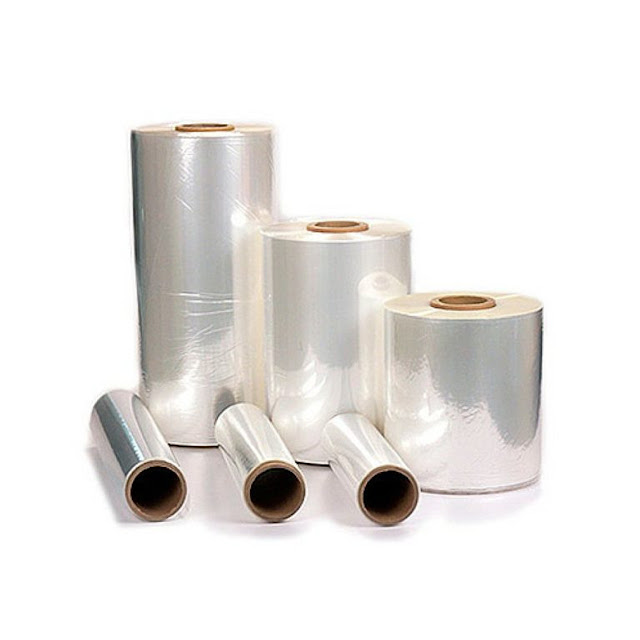
  Shrink Film - a material made up of polymer plastic film. When heat is applied, it shrinks tightly over whatever it is covering. There are a variety of uses for Shrink wrap and shrink film. Some typical shrink wrap applications are for wrapping food, gift baskets, boxes, toys, books, soaps, etc. Below is a breakdown of the two most commonly used types of shrink. PVC Shrink Film - A type of shrink wrap used for various applications. The PVC stands for Polyvinyl chloride. Polyvinyl chloride is the third most-produced plastic in the world. PVC shrink wrap was the most used shrink film until replaced several years ago by polyolefin (POF) shrink wrap. Common Uses of PVC Shrink Film - PVC shrink wrap uses include packaging boxes, CD and DVD packaging, software, small canisters, and other non-edible items. Drawbacks of PVC Shrink Film - Sealing Strength, storage issues, and sealing by-products are common drawbacks of PVC Shrink Wrap. The plasticizer in PVC Shrink wrap hardens in ...

High Speed Shrink Film in Stock

Image
  Our RS Regular Shrink is a five Layer polyolefin shrink film. The RS is our entry level shrink film but has the versatility to perform on semi auto and full auto applications while being able to nearly wrap anything. The RS Regular Shrink has great seal strength & high burnout resistance, while exhibiting great transparency and gloss.   Our RS Regular Shrink can be used in multipack applications, odd shaped products, confectionary or any product that needs a dust cover or protection during the shipping process. Features & Benefits: Outstanding optics, versatile and high cohesion strength, great seals with minimal dog ears, excellent shrink memory, outstanding tear and puncture resistance. Applications & Options: • Can be used with semi-automatic & high speed machinery . • Available in either single wound or center-folded. • Reperforation available upon request. FDA/USDA & USPS Status:   Our S Regular Shrink complies with U.S. Food and Dr...

What is Cross Linked Shrink Film?

Image
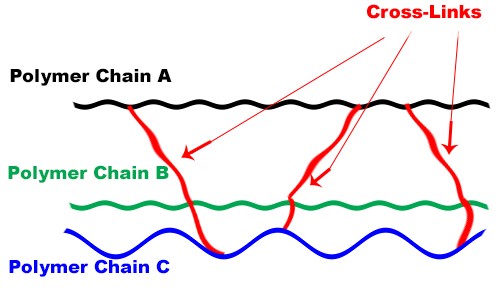
What is Cross Linked Shrink Film? Cross linking polymers was discovered when inventors were searching to find a way to stabilize rubber in the mid 1800's.  Charles Goodyear discovered vulcanized rubber  after years of research. The main objective was to stabilize natural rubber from distorting in heat. The result was Goodyear accidentally melted rubber and sulfur on a hot stove. The combination of the two allowed the rubber to withstand higher heats. Unknown to Goodyear at the time, the heated sulfur and rubber changed the polymer chains within the rubber. The changed polymer chains were cross linked to form a stronger, more durable material. Since the invention of vulcanization, the advancements in cross linking have changed tremendously. Cross linking can be achieved with a variety of chemical additives referred to a chemical cross linking or with irradiation. The most common form of cross linking used for flexible packaging materials is irradiated cro...