Posts

Showing posts with the label plastic recycling

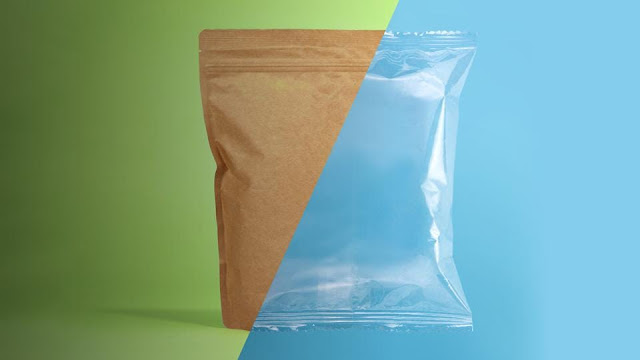
Paper vs Plastic Packaging – An Alternative View
Image
ISN’T PAPER CHEAPER THAN PLASTIC?  Well, you would be surprised! PAPER IS DEFINITELY BETTER FOR THE ENVIRONMENT THAN PLASTIC, RIGHT? Wrong! The actual environmental friendliness of paper is questionable. The Film and Bag Federation, a trade group within the Society of the Plastics Industry based in Washington, D.C., said the right choice between paper or plastic is clearly plastic.   Compared to paper, plastic consumes 40 percent less energy, generates 80 percent less solid waste, produces 70 percent fewer atmospheric emissions, and releases up to 94 percent fewer waterborne wastes, according to The Film and Bag Federation The International Energy Agency (IEA) identified that paper and pulp production in 2014 consumed 5.6% of the world’s industrial energy requirements. Paper is mainly made from hardwood. This process is highly intense and is composed of the pulping process – a lot of water, chemicals and energy are also used to make paper and dangerous chemicals are ...

Plastic Free Packaging.

Image
In the recent decade, single use plastics have come under the spotlight for their effects on the environment. With three hundred million tons of plastic waste produced each year it is a huge area for concern. Plastic pollution particularly affects marine life, as much plastic waste ends up in our oceans. High numbers of seabirds, fish, turtles, and other marine animals are killed each year after ingesting or getting caught in plastic. Fortunately, there are many plastic-free alternatives available. Alternative Options :   Consumers are increasingly conscious of the packaging that comes with products they buy. Choosing a plastic-free packaging design can improve your brand image and could even improve sales. Cardboard and paper are some of the most ecologically friendly packaging options out there. Both are usually 100% recyclable. Plastic windows in cartons can easily be replaced by photography of the product, or if the product really needs to be visible, there are biodegradabl...

Innovative technologies with a low environmental impact

Image
Reduce, Reuse and Recycle are three imperatives the packaging industry is focusing on, in order to promote the use of sustainable materials such as rPET, 100% recycled film and cardboard, that, thanks to their high recycling rate, comply with the so called 3 Rs. The companies of the food, beverage, detergent, personal hygiene, household cleaning and pharmaceutical industry require increasingly efficient, sustainable, and environmentally friendly plants; in order to meet these needs, SMI has constantly been developing solutions that embed these features even in the study and design phase of containers, offering a comprehensive portfolio of innovative technologies with a low environmental impact. Even secondary packaging plays a key role in the marketing strategies of consumer goods manufacturers. Every day in the world billion doses of beverage, food and cleaning and personal care detergents are consumed, sold in containers with thousands of shapes and with several features that req...

Reduce the amount of Plastic in your Packaging

Image
If you’ve just completed your waste packaging report or reviewed your packaging use, you may be pondering ways to reduce the volume of plastic packaging that has been used. We have two “quick ways” that typically result in an overall reduction of plastic material. Quick Way One – Review the amount of stretch wrap you use. If you use stretch wrap, this is a great product to start targeting your reduction. Low micron performance machine applied film can offer the same load containment as a higher micron stretch but with fewer wraps, significantly reducing the weight of film used to wrap each pallet. If you are using hand pallet wrap to wrap 15 or more pallets per day, then it could be time to consider switching to a machine. Stretch wrap automation ensures that the wrap is stretched to capacity before application, this reduces the amount of material used per wrap of each pallet. As well as the environmental benefit it also delivers cost savings – you’re using less material. ...

What is the difference between recyclable, biodegradable and compostable packaging?

Image
More customers and manufacturers are looking for sustainable packaging solutions, and terms such as recyclable, compostable and biodegradable are commonly used in reference to “green” packaging. But, although these three words are frequently used together, often interchangeably, they refer to different processes. Recyclable :  Recycling is the process of converting used materials into something new, keeping products away from a landfill. for longer. But there are limits to how many times some materials can be recycled. Standard plastics and paper, for example, can usually be recycled only a few times before they become unusable, whereas others, such as glass, metal, and aluminum, can be recycled endlessly. Recycling papers is usually straightforward for customers, but when it comes to plastics, the matter is a bit more complicated. There are seven different types of plastic packaging, some commonly recycled, others almost never recyclable. Retailers and manufacturers can help c...