How to Choose the Right Case Sealer?

Choosing the correct case sealer involves
evaluating your facility’s operational needs and packaging specifications.
Below are key factors to consider:
Production Volume: The speed and throughput of your
packaging line directly influence the type of case sealer you need. If you run
a high-volume operation, such as a large manufacturing or pharmaceutical
facility, you’ll benefit from fully automated case sealers that can handle
hundreds or thousands of cartons per hour.
Smaller operations, like boutique packaging or low-volume
facilities, may find semi-automated or adjustable machines more practical,
balancing efficiency with cost-effectiveness.
Box Dimensions and Variety: Your choice of sealer
must accommodate the range of box sizes you use regularly. Adjustable case
sealers are ideal if your facility handles multiple carton dimensions, ensuring
secure sealing without frequent adjustments.
If you mostly handle standard-sized boxes, a fixed-dimension
sealer may provide faster cycle times and greater durability.
Integration with Existing Systems: A case sealer
should complement your current packaging workflow. Consider how it will connect
with conveyors, sorters, or other automated equipment.
Machines with compatibility for conveyor integration and
modular design help maintain smooth material flow, minimize bottlenecks, and
reduce manual intervention, ultimately enhancing overall line efficiency.
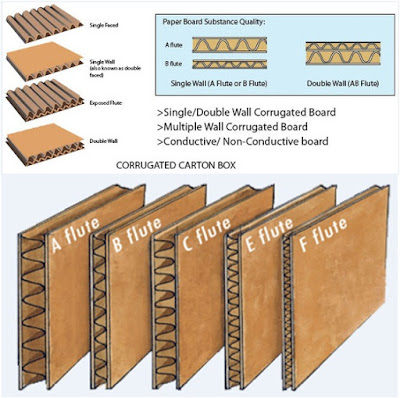
Material and Adhesive Compatibility: Different
packaging operations use various types of corrugated boards and adhesive
materials, including pressure-sensitive tapes or water-activated adhesives.
Make sure the sealer you select works with the materials you use.
Using the correct sealer prevents seal failure, reduces
waste, and maintains the integrity of your products, which is especially
critical in pharma and healthcare applications.
Automation Level and Flexibility: Fully automated
sealers offer maximum efficiency by reducing manual handling and ensuring
consistent sealing. Semi-automated machines provide flexibility for smaller
operations or facilities with intermittent packaging needs.
Assess your operational demands and choose a machine that
offers the right level of automation without overcomplicating your workflow or
unnecessarily inflating costs.
Budget and Return on Investment: While upfront costs
vary between semi-automated and fully automated machines, it’s essential to
evaluate long-term ROI.
Consider labor savings, reduced material waste, and
increased throughput when calculating potential returns. Investing in a
high-quality sealer can save you money and boost efficiency over time.
Maintenance and Service Support: A reliable case
sealer should be easy to maintain, with readily available parts and minimal
downtime. Check the availability of technical support, preventive maintenance
programs, and emergency repair services to keep your workflow smooth.
By aligning machine capabilities with workflow requirements,
you can achieve a seamless packaging process that reduces downtime and enhances
productivity.
Working with Quick Pak Inc, packaging
operations gain access to reliable, high-quality equipment and expert support
that addresses operational pain points while maintaining productivity. Call us
at 813 242 6995 or reach sales@quickpakinc.com


Comments
Post a Comment